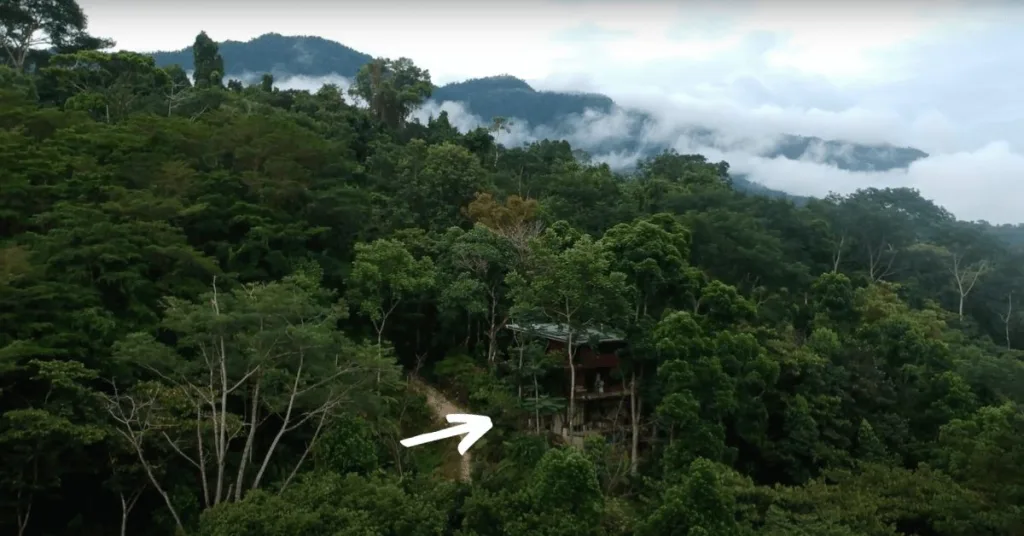
Have you ever dreamed of leaving the hustle and bustle of city life behind and immersing yourself in the tranquil beauty of the great outdoors? We’re here to share our story of living off the grid for over a decade in the lush rainforests of Costa Rica. Our journey has been one of adventure, self-sufficiency, and a deep connection with nature.
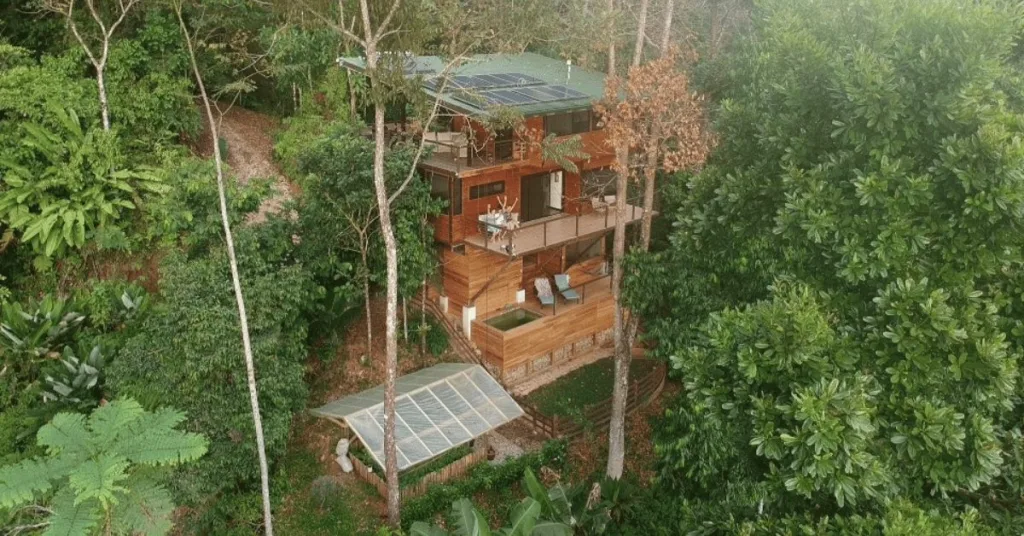
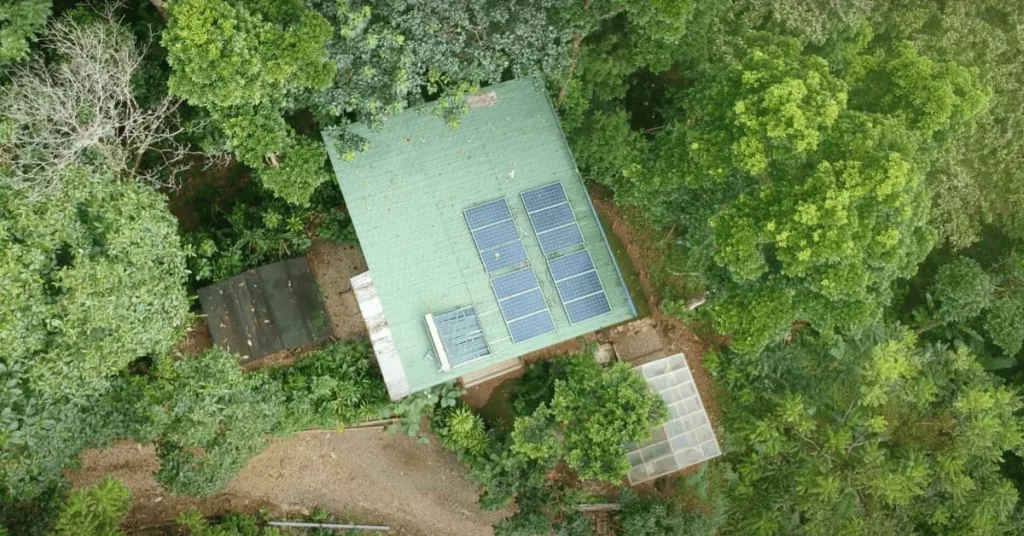
Selecting the right location was our first challenge. It had to offer privacy while being conducive to self-sufficiency. Our rainforest haven ticked all the boxes, but it was no easy task. We scoured the region, seeking a balance between seclusion and accessibility to essential resources.
Understanding and managing our off-grid power system was a steep learning curve. We researched various power generation options and settled on solar power. The initial investment was substantial, but the long-term benefits far outweighed the costs. High-quality lithium batteries became our reliable energy storage solution. To ensure our off-grid electrical system met our lifestyle requirements, we meticulously calculated our daily power needs and opted for energy-efficient appliances. Regular maintenance checks became a part of our routine to ensure optimal performance and longevity. We also kept backup generators on standby, which have been lifesavers during emergencies and extreme weather conditions. Staying updated with technological advancements in renewable energy fields allowed us to continually enhance our off-grid lifestyle.
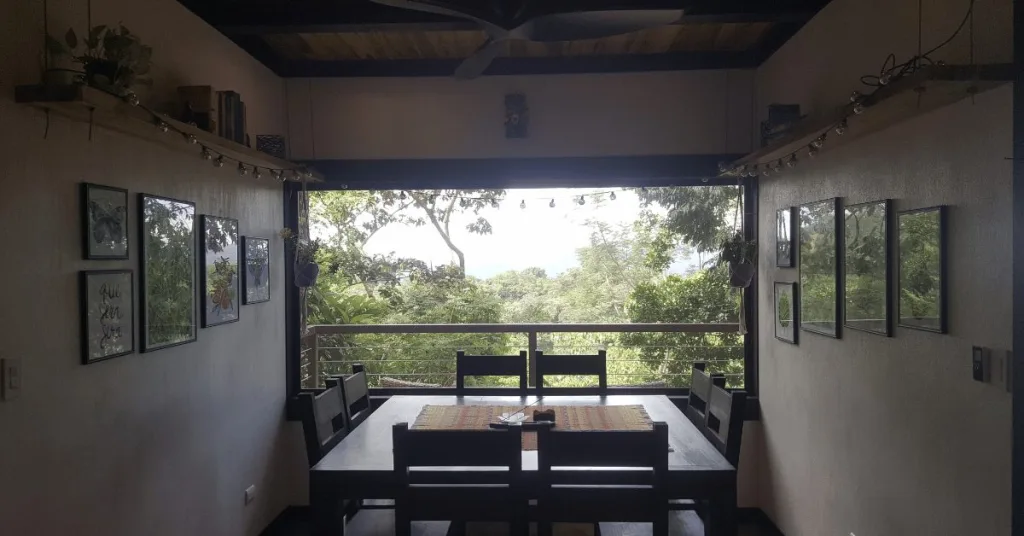
Our off-grid home only required cooling solutions. While the rainforest climate can be unpredictable, with chilly nights and scorching days, an extra blanket was all that was needed to stay warm at times. We installed energy efficient ceiling fans, porcelain tiles and used screen instead of glass to keep the house cool.
Other off-grid locations may require additional heat sources such as wood-burning stoves, not only for heating but also for cooking. These stoves are fueled by firewood, which can be readily available depending on your location. If you are looking for something that generates less smoke and emissions, then consider pellet or biomass stoves. For consistent heating, a back up propane heater and propane tanks is recommended.
If you plan to build your off-grid home in a place with abundant tropical sunshine like ours, we recommend implementing active solar heating systems, utilizing solar thermal collectors to capture and convert sunlight into heat for your home. Passive solar heating techniques can also be integrated into your home’s design, maximizing heat absorption from sunlight. Additionally, consider geothermal heating, harnessing the earth’s stable temperature for both heating and cooling. While installation costs can be high, geothermal systems promise long-term energy savings.
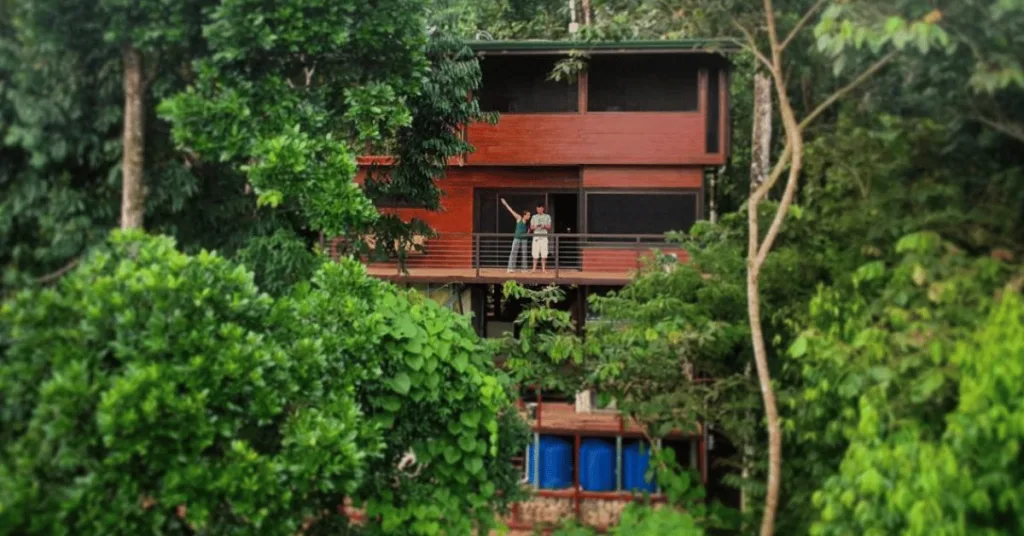
Fresh water management is paramount in off-grid living. We invested considerable effort in ensuring a reliable and sustainable water supply for our daily needs. The rainforest offered abundant water sources, but we needed to harness and manage them efficiently. Our first step was to determine the available water sources in our area, which included natural springs and the option of rainwater collection. These sources were assessed for reliability and water quality.
Rainwater collection became a secondary focus. We set up a rainwater harvesting system, complete with gutters, downspouts, and large storage tanks to capture and store rainfall efficiently. Investing in proper water storage containers was essential. We considered factors like capacity, durability, and ease of maintenance when choosing storage solutions. Ensuring the safety of our water supply was of utmost importance. Effective filtration and treatment methods were implemented to remove contaminants and pathogens. Filters, UV sterilization units, and chemical treatments were part of our water management system. Water conservation practices were integrated into our daily routine. Installing low-flow fixtures, promptly fixing leaks, and responsible water usage, such as shorter showers, became second nature.
Additionally, we explored the possibility of recycling greywater from sinks, showers, and laundry for non-potable purposes, such as irrigation. Regular monitoring of our water consumption patterns helped us identify areas where further conservation could be achieved. Periodic testing of our stored water quality ensured that it remained safe for consumption over time. A maintenance routine was established for our water system components, including regular cleaning of filters, prompt repair of leaks, inspection of storage tanks, and replacement of worn-out parts. We also had contingency plans in place for emergencies or unforeseen circumstances that could disrupt our water supply. Backup systems, including water pumps, generators, and portable water filters, were part of our preparedness strategy.
Dealing with septic and plumbing systems off the grid was another significant challenge. We recognized the importance of efficient waste management to minimize our environmental impact. Our off-grid home only required a simple eco-digester system to manage wastewater effectively. This involved digging a septic tank, installing drain fields, and ensuring proper drainage.
Our setup allowed us to use regular flushing toilets with the only difference being that we binned our toilet paper instead of flushing it. Other options such as composting toilets have emerged as a sustainable alternative to traditional flush toilets. These systems naturally convert human waste into usable compost, reducing the need for water-intensive plumbing systems. Regular maintenance is key to both septic and plumbing systems. Routine cleaning of drains and pipes prevented clogging and ensured smooth flow.
Periodic inspection of the septic tank/eco-digester helped identify any issues early on. Responsible waste management was a fundamental aspect of off-grid living. Proper disposal of household waste, including chemical-free cleaning products and non-biodegradable items, was crucial to prevent environmental contamination and damage to the eco-digester.
In this section, we’ll delve deeper into the challenges of off-grid living, including initial costs and financial implications, dealing with zoning restrictions, growing your own food as a necessity or challenge, coping with isolation and limited social interaction, and preparing for extreme weather conditions.
Setting up an off-grid lifestyle comes with significant initial costs and financial implications. From installing solar panels to purchasing low-power appliances, the expenses can quickly add up. To put things into perspective, powering a homestead for four people may require around 25 solar panels, which can be quite expensive. Additionally, feeding a family of four would typically necessitate at least two acres of land for food production. It’s important to understand these financial considerations before embarking on an off-grid journey. Going off-grid requires careful budgeting and planning to ensure all necessary systems are in place without breaking the bank. While the upfront costs can seem overwhelming, it’s essential to remember that over time, the savings from reduced utility bills will help offset some of these expenses.
Dealing with zoning restrictions is one of the top challenges faced by those living off the grid. It is important for homesteaders to understand and comply with local laws and regulations, such as building codes and zoning ordinances, in order to avoid legal issues or fines. Here are some key points to consider when dealing with zoning restrictions:
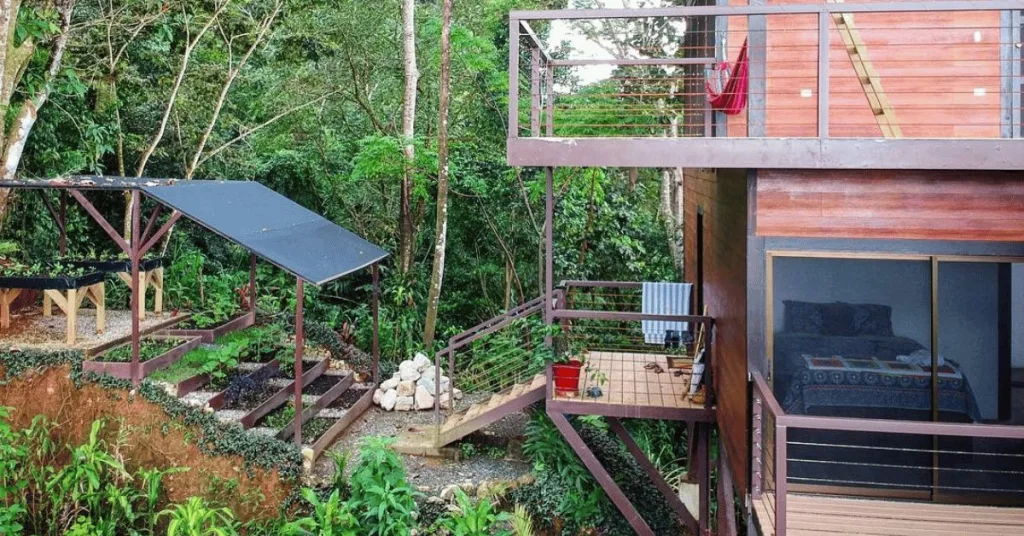
While it may seem like a necessity for self-sufficiency, it can also be a significant challenge. Homesteading and urban gardening require careful planning, knowledge of crop rotation, and understanding local climate conditions. Additionally, limited space and resources can make growing enough food to sustain yourself and your family a real challenge. However, with proper research and implementation of sustainable farming practices such as mixed vegetable gardening or using window boxes and raised beds in urban areas, you can overcome this hurdle. It’s important to ensure soil quality by regularly testing its pH levels and moisture levels while taking into account sunlight availability for optimal growth. With dedication and perseverance, growing your own food can become not just a necessary task but also a rewarding endeavor in off-grid living.
Living off the grid can be an incredible adventure, but it’s important to consider the potential challenges that come with this lifestyle. One such challenge is coping with isolation and limited social interaction. When you choose to live off the grid, you’re often opting for a more secluded and self-sufficient way of life. While this can provide a sense of peace and solitude, it also means that you may have fewer opportunities for socializing or connecting with others on a regular basis. It requires a certain level of independence and self-reliance to thrive in this environment, as you’ll need to find alternative ways to stay connected with loved ones or build relationships within your local community.
Extreme weather conditions can pose significant challenges for those living off the grid. With limited access to emergency services and potential disruptions in essential utilities, it is crucial to be well-prepared. Off-grid residents must consider factors such as harsh winters, severe storms, and scorching summers when planning their self-sufficient lifestyle. This involves investing in appropriate insulation for homes, having backup power sources like generators or battery systems in case of blackouts, and ensuring a reliable water supply during periods of drought or heavy rainfall. Additionally, creating a strong network within off-grid communities can provide support and resources during times of extreme weather events. Being prepared for these conditions ensures that off-grid individuals can maintain their self-sustaining lifestyle even in challenging circumstances.
Discover practical tips and solutions to overcome the challenges of off-grid living. From investing in backup generators to adopting eco-friendly practices, you’ll find helpful strategies that will make your self-sufficient lifestyle more manageable and rewarding.
Investing in backup generators is a crucial step for anyone considering off-grid living. When living self-sufficiently, power outages can happen, and having a reliable source of backup power is essential to ensure that your basic needs are met.
One important aspect of off-grid living is setting realistic expectations. It’s crucial to understand that transitioning to a self-sufficient lifestyle requires significant planning, effort, and investment upfront. It’s not an overnight process, and it’s important to be prepared for the challenges that come with it. Off-grid living involves managing power, water, heating and cooling systems, waste disposal, and potentially growing your own food. It also requires complying with zoning restrictions and preparing for extreme weather conditions. However, by adopting eco-friendly practices and investing in backup generators or renewable energy sources like solar panels or wind turbines, you can overcome these challenges and enjoy the benefits of sustainable off-grid living.
Here are some effective ways to minimize your environmental impact:
Living off the grid presents a unique set of challenges, from finding a suitable location to managing power and water supplies. However, with careful planning and the right solutions in place, these challenges can be overcome. By investing in backup generators, setting realistic expectations, and adopting eco-friendly practices, individuals can successfully navigate the obstacles of off-grid living and embrace a self-sufficient lifestyle. So don’t let the challenges deter you – with determination and resourcefulness, off-grid living is an attainable and rewarding endeavor.


Living off the grid means living in a self-sustainable way, without relying on public utilities such as electricity and water supply. It often involves generating your own energy and finding alternative sources of water.
There are several advantages of off-grid living. Firstly, it provides energy independence, as you are not connected to the power grid and can generate your own energy using renewable sources such as solar or wind. Secondly, it allows you to reduce your carbon footprint and live a more sustainable lifestyle. Lastly, it provides a unique opportunity to connect with nature and live in remote areas away from the hustle and bustle of modern life.
Yes, there are also some challenges and disadvantages of off-grid living. One of the main disadvantages is the high initial cost of setting up an off-grid system, including solar panels or wind turbines. Additionally, living off the grid often means living in remote areas, which can be inconvenient in terms of accessibility to services and amenities. It also requires more effort and time to maintain and manage your own energy and water systems.
The pros of off-grid living include energy independence, reduced carbon footprint, and a closer connection to nature. On the other hand, the cons include the high initial cost, the need for self-maintenance of energy and water systems, and the potential inconvenience of living in remote areas.
Yes, it is possible to have modern amenities and comforts when living off the grid, although it may require additional planning and investment. With advances in technology, off-grid systems can now provide enough power to run appliances, charge electronic devices, and provide hot water for showers and cooking.
While solar energy is one of the most popular and efficient ways to generate energy off the grid, it is not the only option. Depending on your location and available resources, you can also explore other renewable energy sources such as wind or hydro power.
The cost of going off the grid can vary depending on several factors, including the size of your energy system, the level of self-sufficiency you desire, and the resources available in your area. On average, the initial cost of setting up an off-grid system can range from several thousand dollars to tens of thousands of dollars.
It is possible to be partially connected to the grid while living off-grid, especially in areas where regulations allow for it. This means that you can have a backup connection to the public power grid as a safety net in case your off-grid system fails or during periods of high energy demand.
The energy needs for an off-grid home will depend on factors such as the size of the home, the number of occupants, and the energy-efficient measures in place. Typical energy needs include powering lights, appliances, electronics, and possibly heating and cooling systems.
Living off the grid is not suitable for everyone. It requires a certain level of self-sufficiency, independence, and willingness to embrace a simpler lifestyle. It is important to carefully consider the pros and cons before deciding if off-grid living is the right choice for you.