Welcome to our guide on off grid living. We are Matt and Amy and have lived off grid in the rainforest of Costa Rica for over a decade, enjoying a sustainable and self-sufficient lifestyle in this lush environment. In this comprehensive guide, we’ll share our practical solutions and insights, from renewable energy sources to creative DIY projects, all designed to help you thrive and go off the grid.
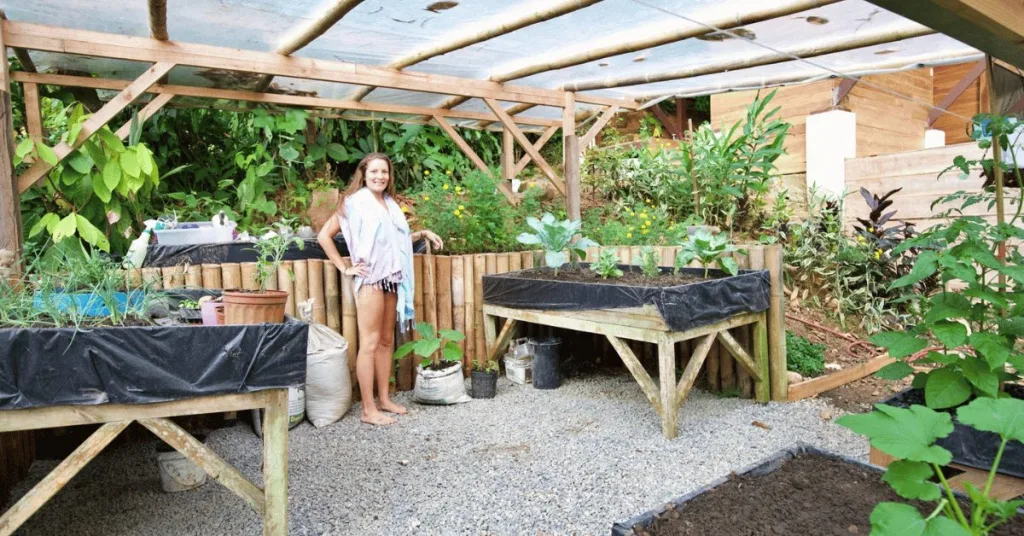
Where you build your off-grid home is crucial for successful off-grid living, as it determines factors such as access to natural resources, privacy, climate suitability, and vulnerability to natural disasters.
Selecting the perfect location for an off-grid lifestyle is not merely about finding a place that offers peace and solitude. Consider factors such as climate, natural disasters, proximity to resources, wildlife presence, soil quality for gardening or farming, and availability of water sources.
A warm climate with mild winters can save on heating costs while areas prone to floods or forest fires pose risks you may want to avoid. Understand the wildlife in the area because dealing with skunks might not be your idea of fun (or in our case, several species of venomous snakes)! Additionally, good ground and soil quality are vital for growing your food; testing the soil nutrient levels will help determine if it’s suitable for planting.
Remember also to consider access to a decent water table or other reliable water sources necessary for survival off-grid. This integration of various elements makes choosing the right location a critical first step toward successful off-grid living.

Living off the grid doesn’t mean disconnecting from the modern world; it’s about embracing innovative technologies that empower self-sufficiency and sustainability. Here, we explore some key off-grid technologies that are revolutionizing the way we live off the grid.
Off-grid living relies on sustainable appliances designed to minimize energy consumption. These appliances, such as solar-powered refrigerators and energy-efficient stoves, make it possible to enjoy modern comforts while reducing environmental impact. They are specially engineered to operate on renewable energy sources, making them ideal for off-grid households.
In today’s digital age, staying connected is essential, even in remote off-grid locations. Satellite internet and communication systems enable off-gridders to access information, communicate with loved ones, and even work remotely. These technologies bridge the gap between solitude and connectivity, ensuring that off-grid living remains both sustainable and connected.
Energy storage solutions, like advanced battery systems, are a game-changer for off-grid enthusiasts. These batteries store excess energy generated from renewable sources, such as solar panels or wind turbines, allowing for a continuous power supply even during cloudy days or low-wind periods. They ensure a consistent and reliable energy source for off-grid homes.
Off-grid living often involves alternative transportation methods. Electric vehicles (EVs) and hybrid cars have become popular choices for off-gridders due to their low environmental impact and reliance on renewable energy sources for charging. Additionally, many off-grid communities embrace bicycles and electric bikes for sustainable, emissions-free mobility.
Off-grid living offers a unique opportunity for alternative education. Homeschooling and remote learning platforms enable off-grid families to provide their children with personalized, nature-based, and experiential education. This approach fosters a deep connection to the environment and encourages critical thinking, creativity, and self-reliance.
“In the march of progress, technology is the silent enabler of off-grid autonomy, turning the once rugged path of self-sufficiency into a sustainable avenue, intertwined with the roots of an eco-conscious existence. This is the paradox of our times: as we disconnect from the grid, we forge a deeper connection with the world.”
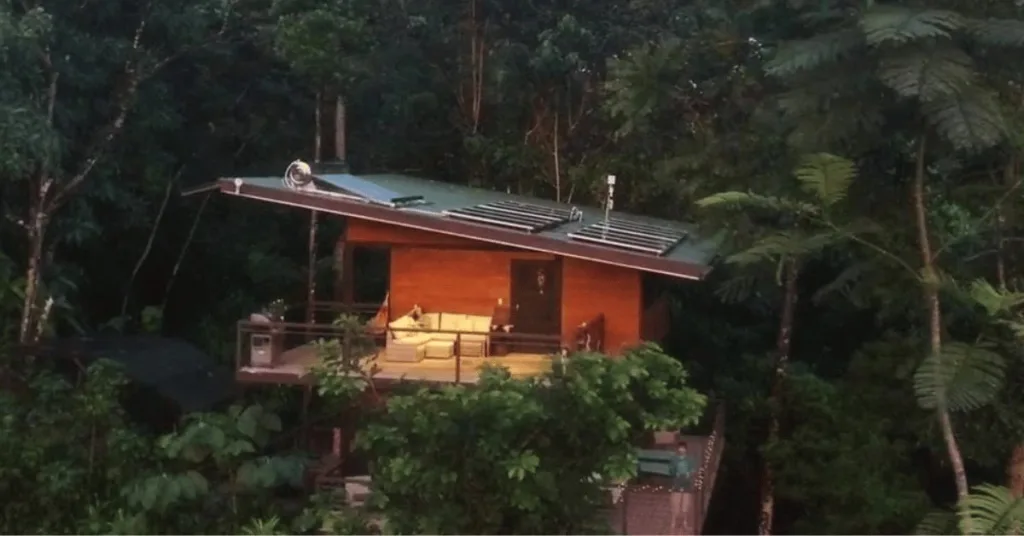
Sustainable energy sources are the backbone of a cleaner and more environmentally friendly future. Let’s explore some key players in the world of sustainable energy and their contributions to a greener world.
Solar power is a frontrunner in the sustainable energy race. Photovoltaic (PV) solar panels, typically installed on rooftops or in solar farms, capture sunlight and transform it into electricity. This renewable energy source offers numerous advantages, including reduced electricity bills, lowered carbon emissions, and energy self-sufficiency. Technological advancements continue to enhance the efficiency and affordability of solar panels, making solar power an increasingly viable choice worldwide.
Wind power harnesses the natural energy of the wind to generate electricity. Wind turbines, often found in windy regions and offshore locations, convert wind energy into usable power. This renewable energy source is celebrated for its ability to produce substantial electricity without emitting harmful pollutants. Wind power contributes significantly to reducing our dependence on fossil fuels and curbing greenhouse gas emissions.
Hydroelectric power utilizes the energy of flowing water to generate electricity. Dams or other structures are built to control the flow of water, which is then directed through turbines to produce power. Hydroelectricity is a reliable and established source of sustainable energy, offering consistent energy production and minimal environmental impact when managed responsibly.
Geothermal energy taps into the Earth’s natural heat reservoirs found beneath the surface. Geothermal power plants use steam or hot water from underground reservoirs to drive turbines and generate electricity. This sustainable energy source is especially attractive because it provides continuous, reliable power with minimal greenhouse gas emissions. Geothermal energy is most prevalent in regions with active geological features like volcanoes and hot springs.
Biomass energy harnesses the energy stored in organic matter, such as wood, crop residues, and even waste materials. This renewable energy source is obtained by burning or converting biomass into biofuels like ethanol and biodiesel. Biomass energy offers a sustainable way to produce heat, electricity, and transportation fuels while reducing waste and cutting down on greenhouse gas emissions.
“Each beam of sunlight, every whisper of wind, and the silent strength of the tides are chapters in our planet’s tale of renewal. As technology weaves these natural rhythms into our daily lives, we step back from the precipice carved by fossil fuels, crafting a legacy of cleaner skies and a promise of vitality for the earth. In this symphony of sustainable energy, our role is clear: to harmonize with nature in a chorus that echoes into the future, safeguarding the symphony for the generations that follow.”
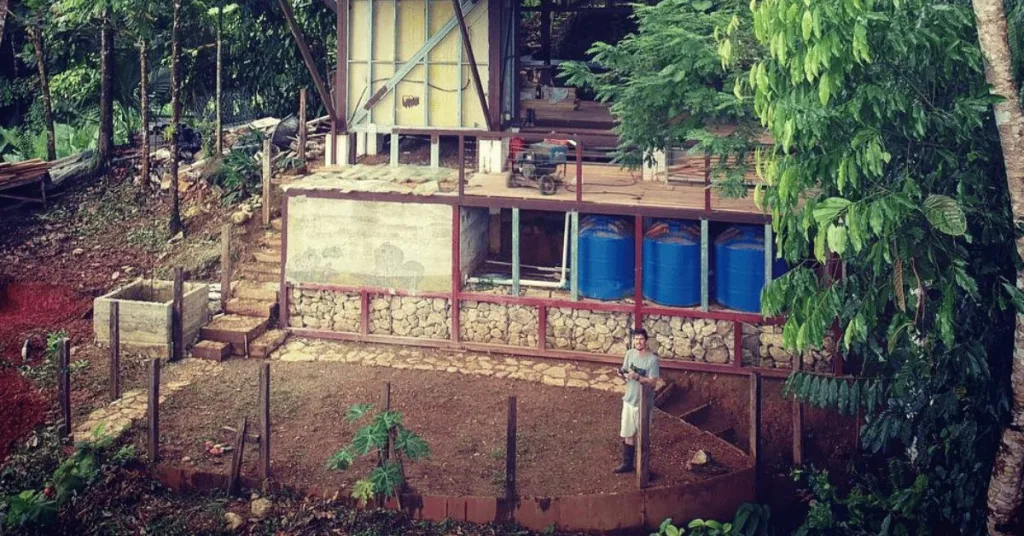
Water management is a critical aspect of off-grid living, ensuring a sustainable and self-sufficient water supply. Let’s explore key components of effective water management in an off-grid setting:
Rainwater harvesting is a fundamental practice for off-grid living. It involves collecting rainwater from rooftops or other surfaces and storing it for various uses. This sustainable method reduces reliance on external water sources and can provide a consistent supply throughout the year. To implement rainwater harvesting effectively, it’s essential to understand local rainfall patterns, install gutters and downspouts, and use storage containers like rain barrels or cisterns strategically. Explore these techniques to harness the power of rainfall:
| Strategy | Description |
|---|---|
| Understand Rainfall Patterns | Study local climate and rainfall patterns to determine the best times for rainwater collection. |
| Harness Gutters and Downspouts | Install these to efficiently channel rainwater from your roof into collection systems, preventing wastage. |
| Embrace Rain Barrels or Cisterns | Place rain barrels or cisterns at downspout ends to maximize the capture of rainwater. |
| Artistic Rain Chains | Use rain chains as a visually appealing alternative to downspouts to direct rainwater into storage containers. |
| Below-Ground Storage Tanks | Install underground tanks to store larger volumes of water, protecting it from evaporation and contamination. |
| Green Roofs for Filtered Water | Utilize green roofs to naturally filter rainwater, reducing pollution and improving water quality. |
| First-Flush Diverters for Purity | Implement first-flush diverters to remove contaminants and debris from initial water flow, ensuring purity. |
Greywater systems are essential for minimizing water waste in an off-grid home. Greywater refers to lightly used water from sinks, showers, and laundry, which can be recycled for non-potable purposes like irrigation or flushing toilets. Implementing greywater systems reduces freshwater demand and minimizes the strain on septic or wastewater systems. These systems typically involve collecting, filtering, and redirecting greywater to appropriate areas of your property.
Off-grid water systems play a vital role in delivering clean and safe water to your home. Depending on your water source, you may need well systems, water pumps, and filtration mechanisms. High-quality water filters, such as activated carbon or UV purifiers, ensure that the water you collect or extract is free from contaminants, making it suitable for drinking and other household needs.
Efficient water heating is crucial for off-grid living, especially in colder climates. Solar water heaters and tankless propane or wood-burning heaters are popular options. Solar water heaters use energy from the sun to heat water for household use, reducing energy consumption and costs. Tankless heaters provide on-demand hot water without the need for a large storage tank, further conserving resources.
“Water, the lifeblood of nature, becomes a mirror of prudence in off-grid life. Through the alchemy of collection, recycling, and purification, each drop tells a story of stewardship. In this cycle, off-gridders are not merely inhabitants, but guardians of sustainability, weaving a water-wise tapestry that quenches the thirst of the earth with minimal footprint, flowing ever forward towards a greener existence.”

Waste management is a crucial component of off-grid living, where self-sufficiency and minimal environmental impact are priorities. Let’s delve into key waste management practices and technologies for off-grid enthusiasts:
Off-grid properties often rely on septic tanks or bio-digesters for wastewater treatment. Septic tanks are underground structures that separate solids from wastewater and allow bacterial digestion to break down organic matter. Bio-digesters, on the other hand, use microbial processes to convert organic waste into biogas and nutrient-rich effluent. Both systems provide efficient and eco-friendly wastewater disposal, reducing the need for connection to municipal sewage systems.
In off-grid living, responsible sanitation is achieved through humanure composting. Composting toilets, commonly used, segregate waste to facilitate the decomposition of human waste and organic materials into nutrient-rich compost. This meticulous process involves managing temperature and moisture levels over approximately a year, ensuring pathogen destruction. The resulting humanure compost becomes a valuable resource, enhancing soil fertility in gardens and agriculture. This eco-conscious approach minimizes environmental impact, reduces water consumption, and aligns with the principles of self-sufficiency and environmental stewardship, promoting a cleaner and more sustainable off-grid lifestyle.
Off-grid living encourages a minimalistic and eco-conscious approach to waste generation. Residents typically reduce waste by practicing recycling, upcycling, and repurposing items. Many off-grid communities prioritize waste reduction by adopting the principles of “reduce, reuse, and recycle.” Effective recycling and responsible disposal of non-recyclable waste help maintain a clean and sustainable off-grid environment.
In addition to composting toilets, off-grid living often incorporates other eco-friendly toilet options, such as low-flush or dual-flush toilets. These toilets are designed to minimize water usage while maintaining efficient waste disposal. Dual-flush toilets, for instance, allow users to select different flush volumes for liquid and solid waste, conserving water resources in the process.
“In off-grid wisdom, waste transcends to resource, where every discarded piece is a seed for tomorrow’s green. Here, the caretakers of earth practice the subtle art of impact, not upon the soil, but upon the cycle of life, ensuring their footprint is one that nurtures, not tarnishes, the tapestry of our shared home.”
Keeping your living space clean and chemical-free is essential for maintaining a healthy off-grid lifestyle. Here are some DIY natural cleaning solutions and their uses:
| Natural Cleaner | Properties & Use | Instructions |
|---|---|---|
| Lemon Juice | Natural antibacterial, stain and odor remover | Squeeze onto area, let sit, wipe clean. |
| Baking Soda | Versatile agent for scrubbing and deodorizing | Sprinkle, scrub with damp cloth or sponge, then rinse. |
| Vinegar | Natural cleaner and disinfectant | Mix with water, spray on surface, wipe clean. |
| Salt | Abrasive cleaner for stubborn stains or grime | Mix with water to form paste, scrub surfaces. |
| Olive Oil | Polish and shine for stainless steel appliances and fixtures | Apply with cloth, buff for shine. |
| Castile Soap | Gentle all-purpose cleaner made from vegetable oils | Dilute with water for cleaning various surfaces. |
Achieving sustainability in food and water sources is at the core of off-grid living. Here, we delve into a range of strategies and practices that epitomize self-sufficiency in an off-grid lifestyle.
Gardening and farming in off-grid settings require careful planning and sustainable techniques. This category covers topics like selecting crops suitable for your climate and soil conditions, implementing permaculture principles to create self-sustaining ecosystems, and soil management practices for organic growth.
Living off the grid often involves raising livestock for meat, eggs, and milk. This category provides insights into animal husbandry practices, including building secure shelters, providing proper nutrition, and managing animal waste for composting.
Off-grid food preservation techniques are essential to store surplus produce for extended periods. Learn how to can fruits and vegetables, dry herbs and fruits, and create a root cellar for long-term storage.
Foraging involves recognizing edible plants and mushrooms in the wild. This category provides guidance on safely identifying and incorporating wild edibles into your off-grid diet, promoting self-sufficiency.
Access to safe drinking water is vital. Learn how to build DIY water filtration systems using natural materials like sand and charcoal, ensuring your off-grid water supply is free from contaminants.
Discover how these practices and techniques work in harmony to create a self-sustaining and fulfilling off-grid lifestyle.
In this section, we will explore various DIY projects that can help you live off the grid.
Raising chickens off the grid can provide a sustainable source of eggs and meat. Explore the essential steps and considerations for constructing a secure and comfortable chicken coop that promotes self-sufficiency.
A greenhouse enables year-round cultivation of vegetables and herbs, enhancing off-grid food production. Learn how to design and build a greenhouse suitable for your climate and gardening needs.
Efficient waste management is crucial in off-grid living. Discover the benefits of composting and how to set up compost bins and worm farms to convert organic waste into valuable fertilizer for your garden.
PVC pipes are incredibly versatile and can be used for a multitude of purposes in off-grid living. Here are some clever ways to utilize PVC pipes:
| PVC Pipe Use | Description |
|---|---|
| DIY Natural Cleaning Solution | Attach a spray nozzle to a PVC pipe to reach high or hard-to-reach areas for cleaning. |
| DIY Chicken Feeder | Drill holes and attach the pipe to a chicken coop for easy access to feed, minimizing waste. |
| Rainwater Collection System | Use PVC pipes to channel water from gutters into storage containers, conserving water efficiently. |
| Irrigation System | Drill holes along a PVC pipe connected to a water source for a makeshift irrigation system in gardens. |
| Greenhouse Frame | Construct an arched structure with PVC pipes covered with plastic sheeting to protect plants year-round. |
| Compost Bin | Create compartments with PVC pipes for different composting stages, aiding in soil enrichment. |
| Vertical Garden | Attach containers to vertically arranged PVC pipes to save space in growing herbs, flowers, or vegetables. |
| Solar Water Heater | Paint PVC pipes black and expose to sunlight to heat water as it flows through, utilizing solar energy. |
| Outdoor Shower | Set up a simple outdoor shower by attaching a showerhead to a PVC pipe connected to a water source. |
| DIY Storage Solutions | Craft customized storage for tools and equipment by cutting PVC pipes into various lengths and attaching them vertically or horizontally. |
In conclusion, off-the-grid living is a rewarding lifestyle that requires resourcefulness and self-sufficiency. By implementing essential tips such as choosing the right location, utilizing multiple power sources, and practicing sustainable food and water solutions, individuals can thrive in a self-reliant way of life.
DIY projects offer opportunities for creativity while satellite communications ensure connectivity even in remote areas. With these techniques and a casual attitude towards making the most of available resources, off-the-grid living becomes an exciting adventure filled with endless possibilities. So, why wait? Start your off-grid journey today and embrace a life of sustainable self-reliance.


Living off the grid means being self-reliant and not depending on public utilities. You’re responsible for your own power, water, and waste management. This often involves having an off-grid home, using renewable energy sources such as solar power, collecting rainwater, and managing solid waste on your own.
Start living off-grid by assessing your current situation and needs, such as how much power you use, your access to water, and your waste management. Start exploring options for off-grid living, which might include using propane for cooking and heating, setting up a septic system for waste, and drilling a well or collecting rainwater for water.
Yes, when you’re living off the grid, you can still have running water. This might mean you’ll need to drill a well or collect rainwater. Some off-grid residents also choose to use a combination of these strategies.
When you decide to go off the grid, choosing the right off-grid home can be a key factor for success. Consider the home’s location in terms of access to water and sunlight, the land’s potential for gardening or fruit trees, and how well-insulated the home is for energy efficiency.
Homesteading, often associated with living off the grid, is a lifestyle of self-reliance. Homesteading tips and tricks often include growing your own food, raising livestock, preserving food for later, and making your own goods.
The difficulty in living off the grid depends on a variety of factors. Going off-grid can be challenging, especially if you’re used to a lifestyle tied to the grid. However, with the right preparation, it can also be an adventurous and fulfilling lifestyle.
No, you don’t need to go off the grid completely to live a self-reliant lifestyle. Even if you can’t or don’t want to move totally off-grid, there are still ways to increase your self-reliance, such as growing your own vegetables, reducing your electric bill, and finding alternative sources of power for potential power outages like portable solar panels.
There’s a variety of equipment that can be helpful when going off the grid. Essentials often include solar panels or wind turbines for electricity, rainwater collection systems, a well for water, a propane tank for cooking and heating, a septic system for waste, and basic tools for home and land maintenance. It’s also good to have a fully stocked first aid kit since medical help may not be immediately available.
Knowing how to prepare food without utilities is a valuable skill when living off the grid. Cooking might involve using propane, cooking over open fire, or using solar ovens. Canning and preserving food, either from your own garden or local farmer’s market, is also useful.
Living off the grid means a more self-reliant and sustainable lifestyle. You will have more responsibilities, such as maintaining your power and water systems. Simultaneously, you also gain more control and independence. Off-grid living can potentially save you money in the long run, but it might also mean a more manual, labor-intensive lifestyle.