Explore Alajuela (city)

Find unique stays, off-grid homes, properties for sale, communities, and local experiences in Alajuela (city).
Stays
Select dates
Guests

What makes Alajuela (city) unique

Alajuela City — known locally as the “Ciudad de los Mangos,” or City of Mangoes — is the capital of Alajuela Province and one of Costa Rica’s most strategically placed destinations. Sitting at around 950 metres above sea level in the Central Valley, just 20 kilometres northwest of San José and minutes from Juan Santamaría International Airport (SJO), it is where most visitors to Costa Rica first set foot. It is also, for those who look beyond the airport arrivals hall, a city worth staying in.

The heart of the city is its Central Park, shaded by more than twenty century-old mango trees that have given Alajuela its nickname. The surrounding streets offer an easygoing version of Costa Rican urban life — local markets, neighbourhood sodas serving rice and beans, and a pace that is noticeably quieter than San José. The climate here is among the most pleasant in the Central Valley: warm and consistent year-round, drier than the capital, and cooled by the elevation into something close to perpetual spring.

What makes Alajuela compelling for off-grid visitors is its position as a launchpad. Poás Volcano National Park — with one of the world’s most accessible active craters — is about 45 minutes up into the highlands. La Paz Waterfall Gardens, ZooAve wildlife sanctuary, and the Toucan Rescue Ranch are all within an hour’s drive. Arenal Volcano and La Fortuna are roughly 2.5 hours north. The surrounding hillsides are threaded with coffee plantations, and the fertile volcanic soil of the region means fresh local produce is everywhere.

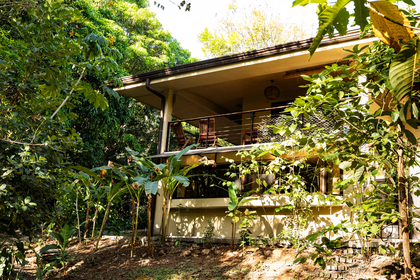
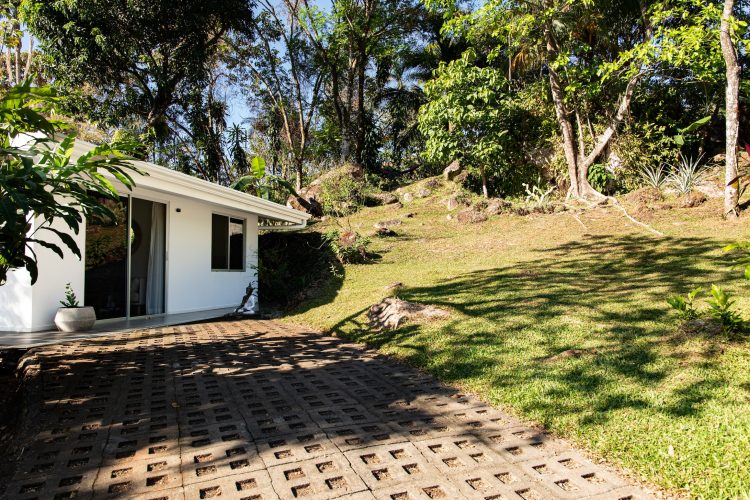
The residential hills and rural fringes around Alajuela City have also attracted intentional communities and off-grid residential projects — people drawn by the airport access, the climate, and the opportunity to build something quieter and more self-sufficient within reach of Costa Rica’s infrastructure. Alegría Village, where OGD’s current listing is located, sits in this category: community living in the hills above the city, with all the convenience of being minutes from SJO.

Alajuela is not a wilderness destination. There are no beaches within easy reach — the central and north Pacific coasts are 1.5 to 2 hours away. But as a base for exploring Costa Rica’s volcanic highlands, coffee country, and wildlife corridors — or as a first and last night that is actually worth your time — it earns its place on the itinerary.

Places to stay in Alajuela (city)

Properties for Sale in Alajuela (city)

What to confirm before booking in Alajuela (city)

Before enquiring, confirm road access, parking, internet, water, power setup, distance to town or beach, current pricing, cancellation terms, and whether the stay suits your comfort level, group size, and travel plans.

FAQs about Alajuela (city)

Alajuela City is located in the Central Valley of Costa Rica, about 20 kilometres northwest of San José and directly adjacent to Juan Santamaría International Airport (SJO). Most international visitors to Costa Rica arrive here. The city centre is a short taxi or Uber ride from the airport terminals.

Juan Santamaría International Airport is technically located within Alajuela City limits, making Alajuela the true gateway to Costa Rica for most visitors. The airport is named after Juan Santamaría, Alajuela's national hero who played a decisive role in repelling the 1856 invasion of Central America by US mercenary William Walker.

Alajuela is one of the best-positioned bases in Costa Rica. Within an hour you can reach Poás Volcano National Park, La Paz Waterfall Gardens, ZooAve wildlife sanctuary, the Toucan Rescue Ranch, and some of the country's most extensive coffee plantations. Arenal Volcano and La Fortuna are about 2.5 hours north. The Pacific coast is 1.5–2 hours away via the Interamerican Highway or Highway 27.

Alajuela sits at around 950 metres above sea level and has one of the most pleasant climates in the Central Valley — warm and consistent year-round, generally warmer than San José, and cooled enough by the elevation to feel comfortable at any time of year. The dry season runs from December to April; the rainy season from May to November, with afternoons typically seeing short, heavy showers.

Yes. The residential hills and rural fringes around Alajuela City have attracted intentional communities and off-grid residential projects, drawn by the region's climate, fertile volcanic soils, and proximity to the airport. Alegría Village — where OGD's current Alajuela listing is located — is one such community, offering residential-style stays in the hills above the city.

Alajuela City is generally considered safe for travellers, particularly the areas around the Central Park, airport corridor, and residential neighbourhoods popular with expats. As with any urban area in Costa Rica, standard precautions apply: avoid displaying valuables openly, use registered taxis or Uber at night, and stay aware of your surroundings in less-touristed parts of the city centre.

Communities in Alajuela (city)

Things to do near Alajuela (city)

Explore nearby tours, activities, and nature-based experiences. These are provided by Viator, so always confirm timing, pickup details, cancellation policy, and suitability before booking.

Off Grid Destinations may earn a commission if you book through these links. Activities are operated by third-party providers.