How to Choose the Right Composting Toilet for an Off-Grid Home
Ever wondered how people manage bathroom needs when there’s no sewer line for miles? Living off the grid means leaving behind municipal water and sewage systems. It also means finding practical solutions for waste management in cabins, tiny homes, and remote properties. A composting toilet eliminates the need for traditional plumbing entirely. These waterless systems operate without flushing and turn human waste into useful soil amendment. This guide walks through the key factors that separate effective composting toilets from poor choices. Readers discover how to avoid costly mistakes and maintenance headaches. The right toilet makes off-grid living genuinely comfortable.
Key Takeaways
- Composting toilets operate without water, saving families over 40,000 gallons annually while transforming human waste into valuable soil amendments for gardening.
- Capacity, ventilation, and power options determine toilet selection. Households must calculate daily waste volume and choose between electric models like Cuddy or non-electric systems.
- Urine-diverting designs prevent odor buildup by separating liquids from solids, requiring liquid emptying every few days and solid waste removal every one to three weeks.
- Popular models include Cuddy Composting Toilet ($750 to $850), Separett Tiny 1271 ($999), and Wasted Conveyor Toilet, which dehydrates waste so families of eight empty solids only once every twenty years.
- Off-grid composting toilets eliminate septic tank pumping, sewage backups, and expensive repairs while providing reliable, low-maintenance waste management for cabins and tiny houses without grid dependence.
What is a Composting Toilet?
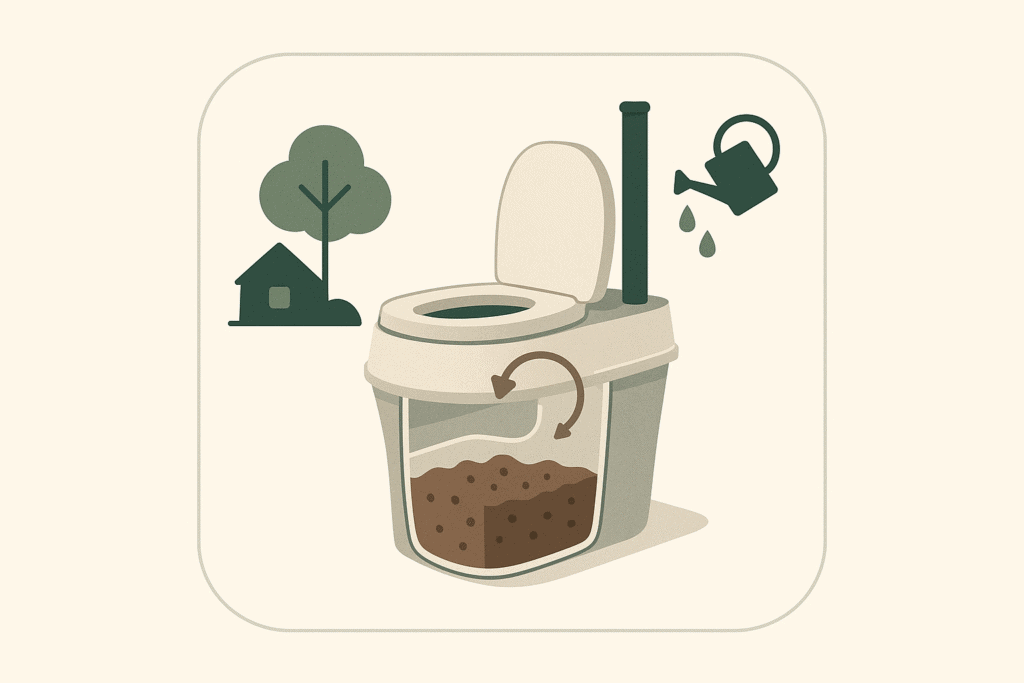
A composting toilet operates without water, making it a dry toilet that breaks down human waste through a natural biological process called composting. 1 This toilet system treats solid waste and urine by creating aerobic conditions that allow decomposition to happen. According to the US NSF/ANSI Standard 41 certification guidelines, properly designed composting toilets meet strict pathogen-reduction criteria and effectively control odors, which many local building inspectors require before approving an off-grid cabin’s waste management system. Users add carbon-rich materials like sawdust or peat moss to the solids container after each use. These materials aid decomposition and minimize odors significantly. The balanced carbon-to-nitrogen ratio creates the perfect environment for waste to transform into something useful. It never becomes a burden on septic systems or municipal sewage networks. Different composting toilet models work in various ways to handle solid and liquid waste. Some feature urine diversion systems that separate urine from solid waste, which enhances composting efficiency considerably. Others use methods like thermophilic composting to reduce pathogens in the waste material. 2 Nature’s Head and Separett Villa represent popular compost toilet options for off-grid cabins and tiny houses. The compost produced from these waterless toilets can be used safely as a soil amendment for gardening and landscaping. This approach transforms what many consider waste into a valuable resource for homesteading and sustainable living. Off-grid toilets eliminate the need to require water or connect to traditional sewage systems, offering homeowners genuine independence from grid living.
Benefits of Composting Toilets for Off-Grid Homes
Composting toilets transform waste into valuable material while keeping water in the ground where it belongs. Homesteaders and cabin dwellers discover that these waterless systems cut their environmental footprint dramatically while eliminating the need for septic tanks or municipal sewage connections.
Water conservation
Off-grid homes face real challenges when water runs short. Composting toilets solve this problem by operating without water, making them ideal for properties far from municipal supplies. According to the US Environmental Protection Agency (EPA), toilets account for nearly 30% of an average home’s indoor water consumption. Older traditional models can waste up to 6 gallons per single flush. Waterless toilet systems eliminate that waste entirely. Homesteaders and off-grid dwellers save thousands of gallons annually by switching to dry solutions. CompoCloset toilets, bucket systems, and urine diversion toilets all operate without plumbing or water connections. This shift matters most in arid regions or areas with limited groundwater access. Off-grid living becomes truly sustainable when residents stop flushing precious resources down drains. Moldering toilets and urine-diverting models represent practical alternatives that require no water whatsoever. These systems separate solid waste from liquid, allowing each component to break down naturally. Sump fields, by contrast, demand access to flushing water, making them less suitable for water conservation goals. Homesteaders who prioritize sustainable living choose waterless options that align with their eco-friendly values. The math is straightforward: a family of four reduces water consumption by over 40,000 gallons yearly through this single switch. Off-grid cabin owners discover that dry composting systems work reliably in any climate. This approach transforms waste management from a resource drain into a closed-loop process that protects both the environment and the homestead’s water supply.
Eco-friendly waste management
Composting toilets offer a path forward for homesteaders seeking sustainable living without chemicals or harsh treatments. These waterless toilet systems transform human waste into valuable compost through natural decomposition. Off-grid living enthusiasts appreciate that composting toilets produce no sewage, eliminating the need for septic tanks or connection to municipal systems. Based on 2026 national contractor pricing data from Angi and SepticTankHub, installing a traditional septic system in the US currently costs a national average of $8,000 to $10,000, with engineered systems often exceeding $15,000 depending on soil conditions. The solid waste in composting systems breaks down over time, creating a soil amendment perfect for gardens and landscaping projects. Models like the Wasted Conveyor Toilet separate urine from solids, allowing urine to serve as a natural fertilizer that recycles nutrients back into the earth. This dual-benefit approach means nothing goes to waste on a homestead. Incinerating toilets present an alternative, though they burn waste into sterile ash rather than creating usable compost. This method requires electricity and produces emissions that may conflict with eco-friendly goals for sustainable homes. Rotating composting toilets mix waste for better decomposition, yet they sometimes experience incomplete composting if not managed properly. The Humanure Handbook provides detailed guidance for those committed to home composting of toilet contents with proper setup and care. Off-grid cabin owners and tiny house dwellers find that choosing the right toilet system determines whether their waste becomes a resource or a liability. Proper ventilation, adequate capacity, and thoughtful selection between electric and non-electric models shape the success of any eco-friendly toilet system on homesteads.
Low maintenance needs
Composting toilets for cabins and off-grid homes demand far less upkeep than traditional septic systems. Models like CompoCloset toilets feature low-maintenance LED indicators that signal when solids need emptying or liquids require attention. The urine-diverting design prevents odors from building up. Homeowners spend less time managing unpleasant smells and more time enjoying their off-grid living space. Solids should be emptied every one to three weeks, and liquids every few days, depending on household usage. This straightforward schedule keeps the toilet system running smoothly without constant intervention. Certain composting toilet models take maintenance simplicity to another level. The Wasted Conveyor Toilet naturally dehydrates feces and breaks them down, minimizing how often removal becomes necessary. A family of eight might empty solids only once every twenty years. Moldering toilets require less active management than other designs but may need relocation every few years as the compost pile fills. Rotating composting toilets offer another option, though they may experience overflow and require component balancing occasionally. Homeowners choosing waterless toilet solutions avoid the headaches of septic tank pumping, sewage backups, and expensive repairs that plague grid living. The solid waste management becomes predictable and manageable, making off-grid toilet systems practical for sustainable living without demanding constant attention.
Key Factors to Consider When Choosing a Composting Toilet
Selecting the right compost toilet for an off-grid cabin requires homeowners to evaluate several practical factors that directly impact daily life and long-term satisfaction. The following sections explore how capacity, ventilation, power needs, and installation options shape the decision.
Capacity and usage needs
Capacity forms the backbone of composting toilet selection for off-grid homes. A household must calculate daily waste volume before purchasing any system. Mismatched capacity leads to overflow problems, maintenance headaches, and wasted money. 3
| Toilet Model | Capacity Specifications | Best For | Price Range |
|---|---|---|---|
| Cuddy Composting Toilet | 5+ gallon minimum capacity | Full-time off-grid residences with multiple occupants | $750 to $850 |
| Cuddy Lite Portable Composting Toilet | Compact capacity for temporary use | Short-term scenarios like camping trips and hunting cabins | $650 |
| S1 Dry Flush Sealing Toilet | Sealed cartridge system with flexible sizing | Both short-term and full-time off-grid applications | $1,500 |
| Separett Tiny 1271 Toilet | Designed for confined spaces with moderate capacity | Small cabins and recreational vehicles | $999.00 |
| Separett Tiny 1270 Toilet | Internal urine tank with separate waste management | Compact homesteads requiring extended intervals between emptying | $1,049.00 |
| Feces in Wasted Conveyor Toilet | Dehydrates and breaks down waste; family of eight can go nearly 20 years without solid waste removal | Large households seeking minimal maintenance intervals | Premium pricing for extended capacity benefits |
Household size dictates tank volume requirements more than any other factor. A family of four generates substantially more waste than a couple. Off-grid destinations recommend minimum tank capacity of 5 gallons for multi-use scenarios. This baseline prevents frequent emptying and reduces operational stress. Occupancy patterns matter tremendously. Full-time residents produce consistent daily loads. According to capacity specifications from Nature’s Head, the standard solid waste bin on popular models can hold approximately 60 to 80 uses, which typically translates to three to four weeks of continuous use for two full-time residents. Weekend cabins and hunting retreats see sporadic use. Vacation properties experience seasonal spikes in demand. Calculating average daily users helps homesteaders right-size their investment. The Cuddy Composting Toilet handles regular household use well. Its price point between $750 to $850 reflects solid mid-range capacity. Families planning permanent off-grid residency find this model practical. Weekend warriors prefer the Cuddy Lite Portable version at $650 instead. That model suits temporary setups without requiring permanent installation. Extended time between maintenance visits favors larger systems.
Ventilation requirements
Proper ventilation stands as the backbone of any effective composting toilet system. Without it, odors accumulate quickly and turn an off-grid bathroom into an unpleasant space. Composting toilets break down human waste through natural decomposition, but this process releases gases that need somewhere to go. A well-designed ventilation system pulls these gases out and away from the living area. The Cuddy Composting Toilet includes a built-in fan that connects to 12-volt off-grid power systems, making it ideal for cabins and tiny houses that rely on solar energy. Based on technical specifications from off-grid equipment suppliers like The Cabin Depot, built-in 12-volt exhaust fans on standard composting toilets are extremely energy efficient, typically drawing under 2 watts of power and consuming fewer than 2 amp-hours per day. External venting options allow homeowners to direct odors safely outdoors through roof flashing or wall penetrations. Ventilation requirements vary based on the composting toilet model selected. Rotating composting toilets need balanced ventilation to function properly as their rotating bins process solid waste and urine. The Separett Tiny 1271 Toilet, designed for compact spaces, demands appropriate ventilation to prevent moisture buildup and maintain composting efficiency. Solar fans and whirlybirds offer passive ventilation solutions that require no electricity. These options work perfectly for those seeking truly off-grid toilet systems. The Cinderella Maintenance Kit includes an exhaust brush and funnel for maintaining venting components, priced at $145.99. This ensures that ventilation pathways stay clear. Homeowners should install ductwork that slopes downward to prevent condensation from dripping back into the toilet system. Adequate airflow transforms a waterless toilet into a reliable, odor-free fixture for sustainable living.
Power options (electric or non-electric)
Power options separate composting toilets into two distinct categories, each serving different off-grid scenarios. Homesteaders must evaluate their electrical capabilities before committing to any system. Some toilets thrive without power entirely, while others demand consistent energy access.
| Power Type | Composting Toilet Models | Key Specifications | Best For |
|---|---|---|---|
| Electric Options | Cuddy Composting Toilet; Nature’s Head with 110V AC Adapter; Cinderella Comfort Incineration Toilet | Cuddy connects to 12-volt off-grid power systems. Nature’s Head adapter converts house power and costs $15.00. Cinderella Comfort requires 240V or fuel, priced at $4,122.00, manufactured in Norway. | Properties with solar panels, battery banks, or generators. Homes prioritizing automation and odor control. |
| Non-Electric Options | S1 Dry Flush Sealing Toilet; Bucket Systems; Moldering Toilets; Urine Diversion Models | S1 offers rechargeable capabilities for non-grid operation. Bucket systems require manual labor. Moldering and diversion toilets operate passively through natural decomposition and gravity. | Remote cabins with minimal infrastructure. Budget-conscious homesteaders. Properties where power reliability fluctuates seasonally. |
Off-grid residents face a fundamental choice: embrace electrical convenience or accept manual simplicity. Solar-powered systems make electric toilets feasible for isolated properties. The Cuddy model integrates seamlessly with 12-volt setups common in off-grid homes. Non-electric toilets eliminate dependency on batteries and generators entirely. Moldering systems decompose waste through time and oxygen exposure. Bucket models cost nearly nothing upfront. Diversion toilets separate liquids from solids, reducing odor problems naturally. Installation complexity differs dramatically between these categories. Electric models need ventilation fans, wiring, and power connections. Non-electric systems demand only basic plumbing and drainage planning. Portability favors non-electric options significantly. Maintenance requirements shift based on power availability. Electric toilets reduce hands-on labor substantially. Non-electric toilets require regular emptying and compost management. Cost considerations extend beyond purchase price. Electric toilets demand ongoing power consumption. Solar panels add substantial capital investment initially. Non-electric systems keep long-term expenses minimal. The S1 Dry Flush option provides middle-ground flexibility through recharging capability. Climate influences power selection heavily. Cold regions benefit from electric heating elements. Warm, dry climates favor passive moldering systems. Humid areas need better ventilation from fan-equipped models. Homesteaders must match power options to their actual energy production. Oversizing solar arrays for toilet power wastes resources. Underestimating needs leads to failed systems. Realistic assessment prevents costly mistakes later.
Installation and portability
Installation and portability matter greatly for off-grid homeowners choosing a compost toilet. These factors determine how easily someone can set up the system and move it if needed.
- Portable camping toilets like the Cuddy Lite offer compact designs that fit small spaces and move between locations without heavy lifting or complex setup procedures.
- The Reliance Fold-To-Go Toilet collapses for transport and works well for emergencies or temporary outdoor field use when permanent installation isn’t practical.
- Separett Rescue 25 camping toilet comes with compostable bags included and costs $134.99, making it affordable for those testing portability before committing to larger systems.
- Fixed compost toilet models require permanent mounting but eliminate moving parts and provide stable, long-term solutions for cabins and tiny houses on off-grid properties.
- Cuddy Composting Toilet features external venting options and urine drain-away kits that homeowners can customize during installation to match their cabin’s layout and soil conditions.
- Separett Privy 500 Outhouse Kit priced at $139.99 installs directly into existing outhouse structures, allowing people to upgrade traditional systems without complete reconstruction.
Nature’s Head Optional Lid for solids bins costs $35.00 and enables vented transport of waste containers, simplifying maintenance routines for off-grid dwellers. Separett 300 Insulated Seat made from durable styrofoam costs $27.49 and fits standard outhouse openings, requiring minimal installation effort for sustainable living spaces. Ventilation requirements during installation affect airflow and odor control. Homeowners must plan ductwork and exhaust routes before positioning their compost toilet system. Non-electric models eliminate wiring complications and work without power connections, making installation faster for those seeking waterless toilet solutions in remote locations.
More Resources on Off-Grid Living
Off-grid living requires solid knowledge and practical guidance. The Off-Grid Living Journal offers homesteaders and sustainability enthusiasts a comprehensive collection of articles, case studies, and expert insights. Readers discover real-world solutions for cabin living, sustainable practices, and self-reliance strategies. The journal covers everything from waterless toilet systems to renewable energy setups. Visitors find detailed reviews of toilet models, including incinerating toilets and urine diverting toilets. Articles explore how families successfully transition to off-grid living without sacrificing comfort. The resource library includes maintenance tips for composting toilets and installation guides for cabin setups. Subscribers access exclusive content about eco-friendly waste management and sustainable living practices. Cabin Depot complements these resources by stocking 128 off-grid toilet solutions in inventory. The selection includes 98 Cinderella Incinerating Toilets, 4 Composting Toilets, 16 Urine Diverting Toilets, and 4 Portable Toilets. Customers benefit from free shipping on U.S. orders, except to remote locations. Popular accessories support proper maintenance and operation. The Separett 50L Ejektortank for urine collection costs $249.00 and carries a 5.0 rating. Steel Bag Holders priced at $39.99 accommodate up to 500 toilet bags. Separett Compostable Waste Bags work with Villa 9200, 9210, and Weekend models for $19.90 per 10-pack. The Separett Rubber Roof Flashing enables sealed installation at $99.90. These products help homeowners establish reliable toilet systems for their off-grid cabins and tiny houses. Combining journal research with quality equipment creates a strong foundation for sustainable living.
Frequently Asked Questions
Off-grid homeowners often wonder about composting toilet performance and maintenance. These answers address the most pressing concerns for those selecting a toilet system for their cabin or tiny house.
- Do CompoCloset toilets smell bad? No, the urine-diverting design prevents mixing of solids and liquids, eliminating odor problems entirely. This waterless toilet keeps waste separated for better composting results.
- How often should liquid and solid waste get emptied? Liquids need emptying every few days, while solids require emptying every one to three weeks. Frequency depends on household usage and capacity.
- Can homeowners compost toilet waste at home? Yes, composting with off-grid toilets works well with proper setup and care. Chemical-free options like CompoCloset toilets allow solids to become compostable material safely.
- What makes Cuddy the best off-grid toilet solution? Cuddy combines reliability, ease of use, and low maintenance for off-grid living situations. This toilet system handles solid waste effectively without requiring electricity or water.
- Are composting toilets suitable for children and elders? Urine diversion toilets can challenge younger users and older residents due to complex usage requirements. Families should consider simpler models or provide support during operation.
- What maintenance does a CompoCloset toilet require? Low-maintenance LED indicators guide users through operation, and cleaning remains straightforward. Regular emptying and occasional ventilation checks keep the system running smoothly.
- What common issues affect rotating composting toilets? Overflow and incomplete composting represent problems with these models. Solid waste buildup can create operational headaches for off-grid cabin owners.
Conclusion
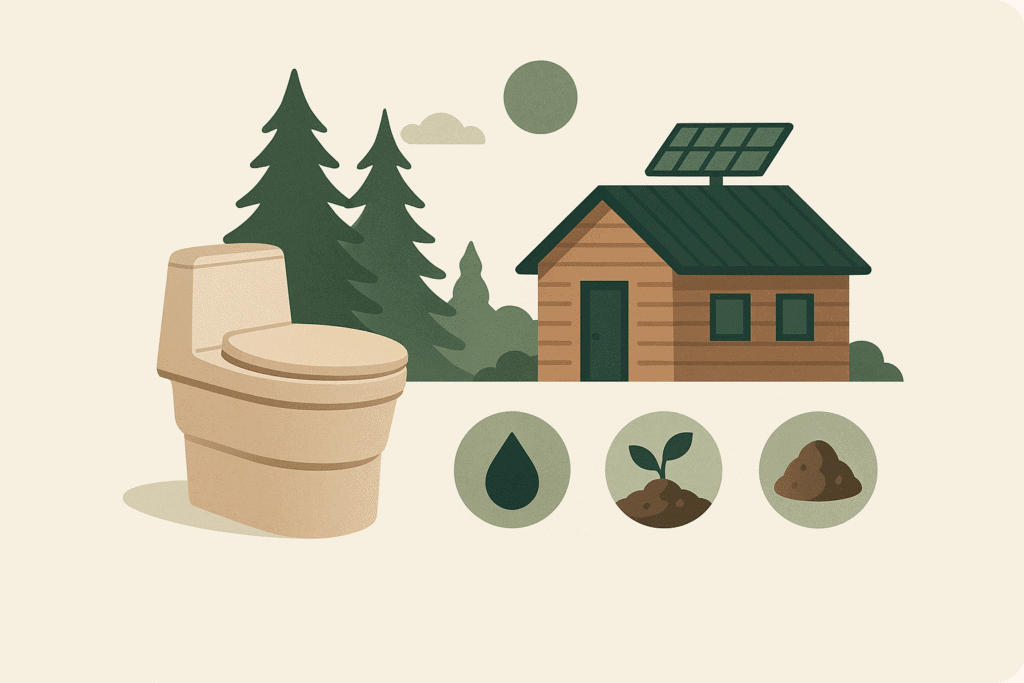
Selecting the right composting toilet for an off-grid home requires matching personal needs with practical features. Homeowners should weigh capacity, ventilation, and power options against their specific situation, whether living in a cabin, tiny house, or RV. Urine-diverting models like the Wasted Conveyor Toilet eliminate odor problems and reduce maintenance headaches by separating liquids from solids automatically. CompoClosets and Separett offer proven solutions that transform waste management into a sustainable system requiring minimal effort. Making this choice now sets the foundation for years of reliable, eco-friendly toilet performance without grid dependence.
Additional Questions
1. What makes composting toilets good for off-grid living?
Composting toilets work without water and don’t need a septic tank, making them ideal for remote cabins and tiny houses. They turn solid waste into compost naturally through aerobic decomposition. According to industry data, a typical composting toilet can save a household over 6,600 gallons of water annually.
2. How do urine diverting toilets work?
These toilet models separate solid and liquid waste at the source using a built-in diverter. The urine goes to one container while solids go to another, which keeps things drier and speeds up composting. This separation can reduce odor by up to 80% compared to traditional composting systems.
3. Do all off-grid toilets require electricity?
No, many waterless toilet options work without power at all. Some models like the Separett Villa and Airhead toilet do use small fans for ventilation that consume only 3 to 5 watts. Basic bucket systems and camping toilets need zero electricity.
4. What’s the difference between dry flush toilets and incinerator toilets?
Dry flush systems wrap waste in compostable bags for later disposal, while incinerator toilets burn waste to ash using heat. The incinerate option typically requires 1,400 to 1,600 watts of power per cycle and takes about an hour to complete.
5. How often do you need to empty composting toilets for your cabin?
It depends on household size and which toilet system someone picks. For a couple using it full-time, the solids container in most units needs emptying every four to six weeks. Models like the Ogo compost toilet and Compocloset have different schedules based on daily use.
6. Are composting toilets hard to maintain?
Most offer great ease of use once someone gets the hang of the routine. They simply add sawdust or coconut coir after each use and do a quick wipe-down weekly. The entire maintenance process typically takes less than five minutes per week for regular upkeep.
References
- ^https://en.wikipedia.org/wiki/Composting_toilet
- ^https://www.researchgate.net/publication/258852961_Composting_toilets_as_a_sustainable_alternative_to_urban_sanitation_-_A_review (2013-11-21)
- ^https://offgriddwellings.com/the-ultimate-buyers-guide-to-best-composting-toilets-for-container-homes-top-picks-for-2025?srsltid=AfmBOopW9jMfur8BFsTU1vWV5YS-E1VjeACIqfrubEO-VS-8hfXA-XAS