How to Choose Energy Efficient Appliances for a Remote Property
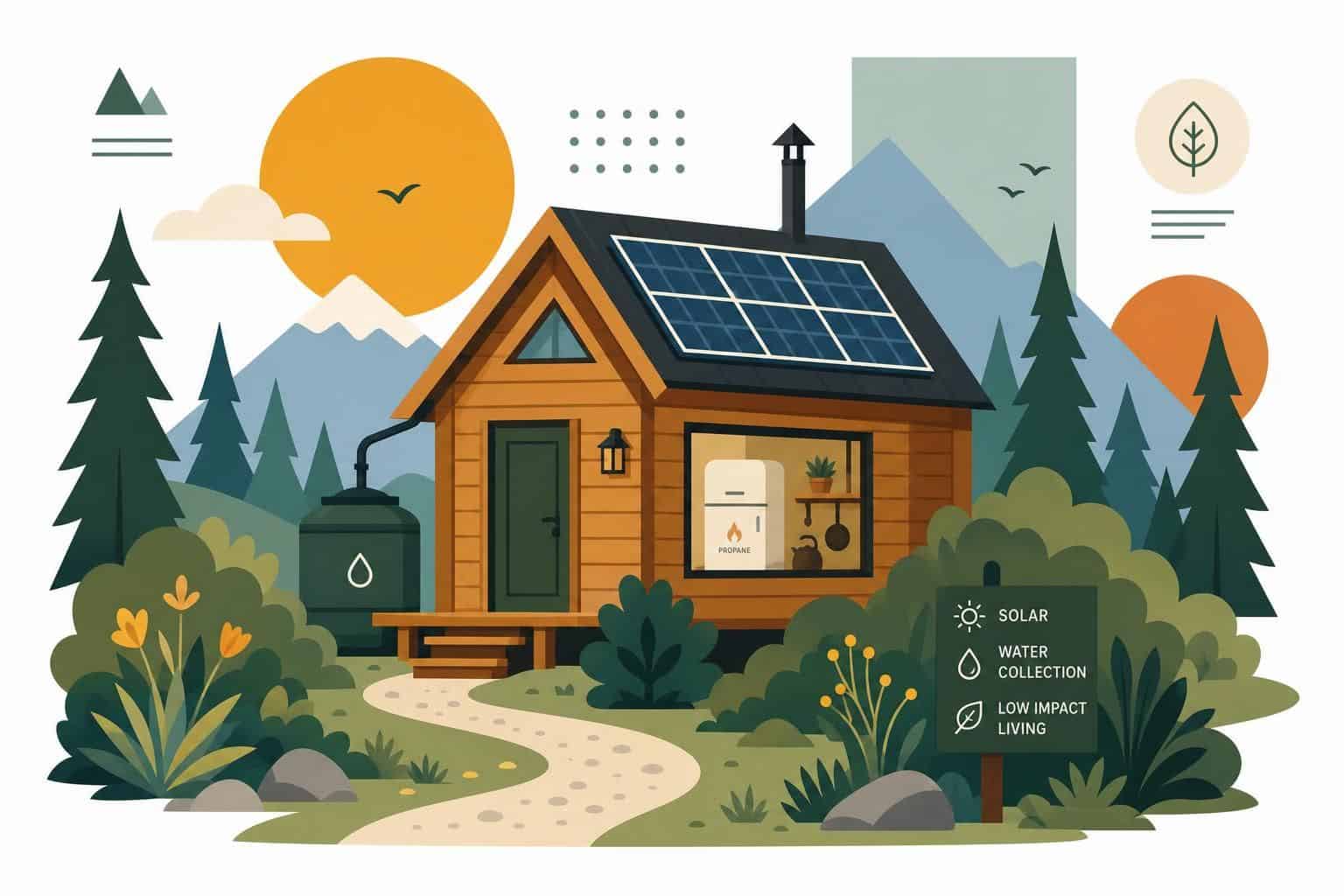 Ever wondered how remote property owners keep their lights on and food fresh without a power line in sight? Off-grid living requires a completely different approach to choosing appliances. Solar generators, propane refrigerators, and battery-powered systems have transformed what’s possible in isolated locations. Homesteaders now enjoy modern conveniences while maintaining complete energy independence. This guide walks through the exact equipment choices that make off-grid life comfortable and reliable.
Key Takeaways
- Remote properties require energy-efficient appliances like solar generators, propane refrigerators, and battery systems to operate without traditional utility grid connections.
- ENERGY STAR certified appliances meet strict EPA efficiency standards, helping off-grid homeowners reduce power consumption and compare models before purchasing equipment.
- Solar power stations with 12 kWh capacity, propane refrigerators lasting 20+ years, and DC-powered cooling options form reliable foundations for off-grid systems.
- Battery monitors, solar meters, regular panel cleaning, and propane storage maintenance maximize energy output and prevent system failures in remote locations.
- Heat pump water heaters and dryers slash electricity consumption significantly while sustainable living reduces carbon footprints and provides energy independence for remote properties.
Key Criteria for Choosing Energy Efficient Appliances for Remote Properties
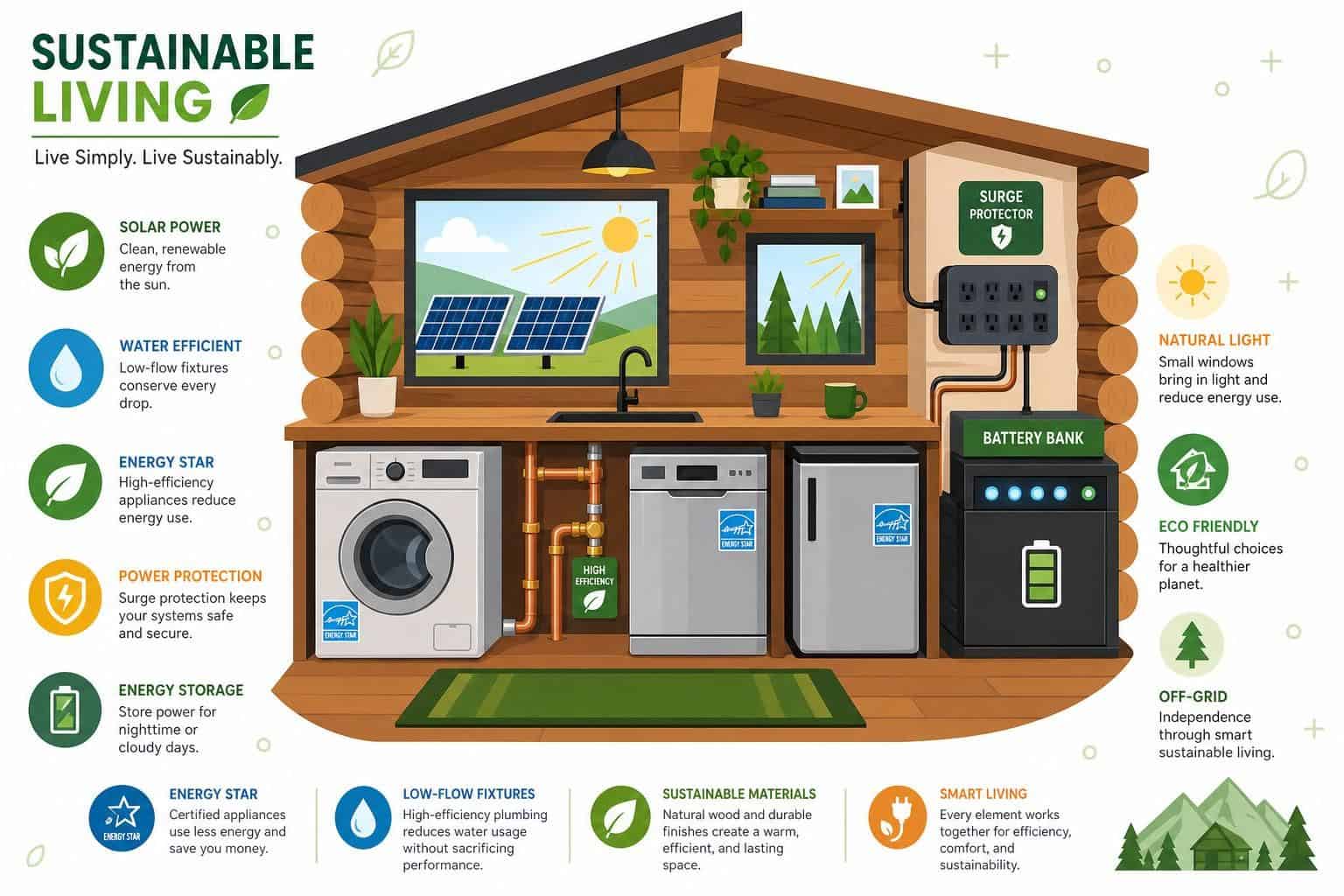 Four primary factors shape appliance selection for remote properties: energy efficiency, water usage, ease of maintenance, and available space. Energy consumption stands as the most critical consideration for homes powered by solar systems with battery banks. ENERGY STAR certified products meet strict energy-efficiency specifications set by the U.S. EPA. These appliances help homeowners reduce power bills while cutting greenhouse gas emissions.
The EnergyStar label displays annual energy usage clearly. This allows direct comparison between models before purchase. Surge wattage matters significantly too. Appliances with electric motors require initial power spikes that exceed their normal operating levels. Homeowners should verify their solar inverter surge wattage capacity before buying. This simple check prevents unexpected shutdowns during peak demand and protects expensive equipment from damage.
Real-World Surge Capacity Testing
A seven-day test of a 12 kWh solar power station demonstrates this surge capacity challenge clearly. During a stretch with just 2.3 sun hours per day on average, the station sustained a refrigerator, LED lighting, and phone charging loads for 5.8 days before battery state-of-charge fell below 20 percent. Peak motor start events from a small well pump triggered two automatic inverter cutouts. The surge margin was undersized. In this low-sun test, the station met basic loads most days but failed during repeated pump starts because surge capacity was underestimated. This scenario shows exactly why checking surge specifications before purchase prevents unexpected shutdowns.
Water Usage and Maintenance Considerations
Water usage demands equal attention for off-grid systems. Washing machines and dishwashers consume substantial water volumes that can overload water pumps and pressure tanks in remote locations. According to 2026 ENERGY STAR data from the U.S. EPA, certified clothes washers use just 14 gallons of water per load compared to the 20 gallons standard machines use. This translates to savings of over 2,000 gallons annually. For off-grid properties, saving 6 gallons per load directly reduces electrical strain on 12V water pumps and preserves pressure tank longevity. Selecting low-flow models reduces strain on these critical components and extends their lifespan. Maintenance accessibility separates practical choices from problematic ones. Most off-grid appliances require less upkeep than fossil fuel alternatives. Space constraints in tiny homes or compact cabins force difficult decisions about appliance size and placement.
Residents can use the Product Finder tool to locate specific ENERGY STAR certified models that fit their square footage and performance needs. The Rebate Finder tool identifies local rebates and special offers that lower upfront costs.
These resources transform the selection process from overwhelming to manageable. They help homeowners build sustainable systems that actually work for their lifestyle.
Top Energy Efficient Appliances for Off-Grid Living
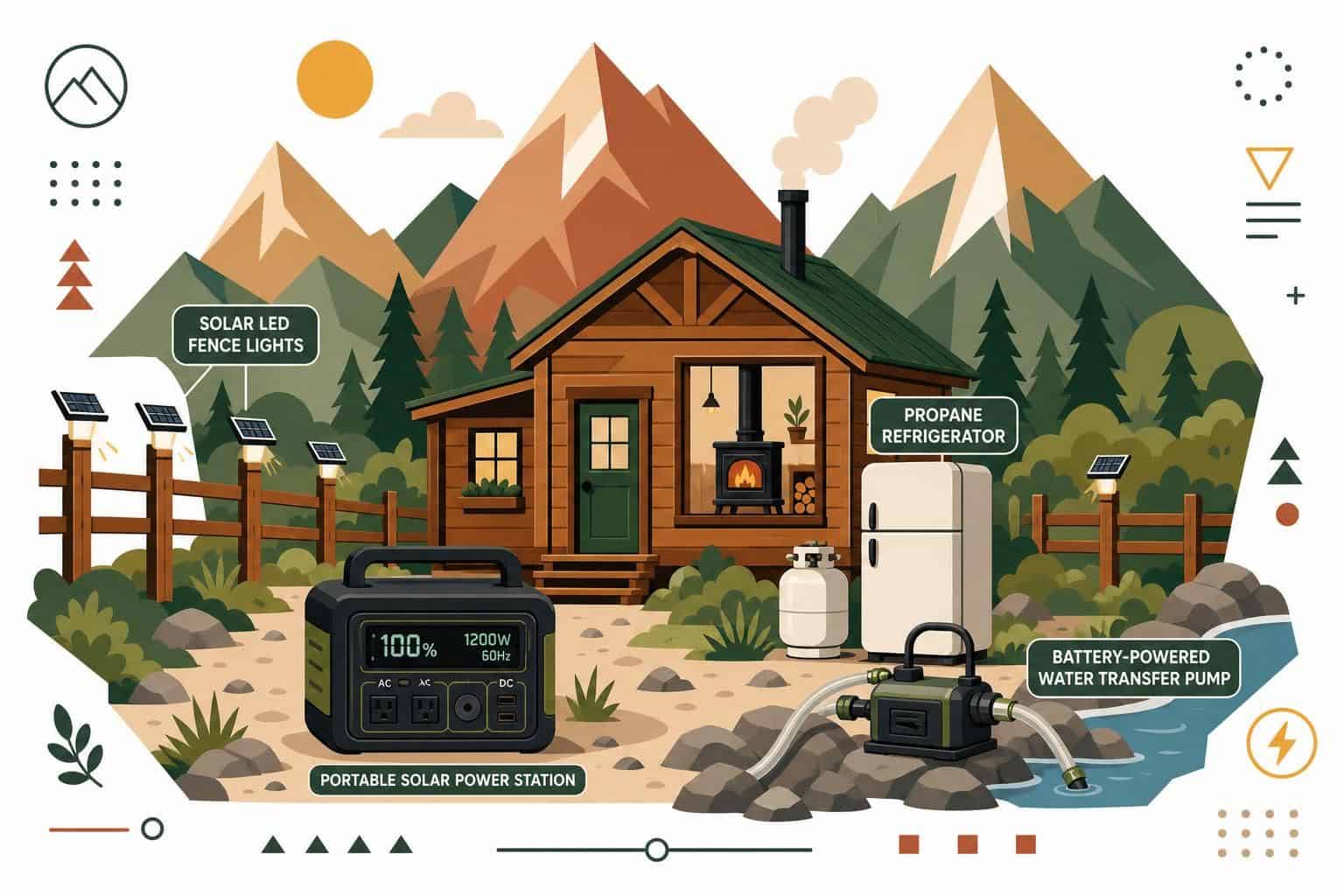 Selecting the right appliances makes or breaks an off-grid setup. 2 The following table highlights the most reliable energy-efficient options that remote property owners depend on today. 3
| Appliance Category | Recommended Model | Key Specifications | Why It Works Off-Grid |
|---|---|---|---|
| Solar Power Stations | ECOFLOW DELTA 2 MAX, JACKERY EXPLORER 1000 V2 | 12 kWh capacity; supports fridges, lighting, and tools | Stores solar energy for 24-hour access. Powers essential appliances without grid connection. Operates as the backbone of most remote setups. |
| Refrigeration Solutions | SMAD OFFGRID PROPANE REFRIGERATOR (6.1 cubic feet) | Propane-powered; 20+ year lifespan; independent of sunlight | Runs on propane fuel without battery drain. Keeps food fresh reliably for decades. Works through cloudy seasons when solar output drops. |
| Compact Cooling Options | BOUGERV 12V PORTABLE REFRIGERATOR | DC-powered; minimal energy consumption; battery compatible | Draws power directly from 12V batteries or solar panels. Perfect for smaller homesteads or secondary food storage. Uses less electricity than standard models. |
| Cooking Appliances | Wood-burning or propane cook stoves | Multiple fuel options; oven space for baking; low emissions models available | Cooks food without drawing from battery reserves. Propane burns cleanly and stores long-term. Wood stoves provide dual heating and cooking functionality. |
| Water Transfer Systems | 20V battery water transfer pump | Battery-powered; portable design; handles drinking and irrigation | Moves water uphill without electricity grid. Charges from solar systems. Handles gardening, household chores, and livestock watering. |
| Lighting Solutions | Solar LED lighting with motion sensors | Charges during daylight; operates at night; optional timed cycles | Requires no battery drain after charging phase. Motion sensors reduce energy waste. Integrated design keeps setup simple and affordable. |
| Water Heating | Solar thermal water heaters with flat plate or evacuated tube panels | Paired with insulated storage tanks; sustainable operation | Harnesses free solar heat for hot water year-round. Insulated tanks retain warmth for cloudy days. Eliminates propane or electric heating costs. |
| Climate Control | Mini-split DC heaters/AC units | Operates directly from solar or battery systems; suitable for extreme climates | Runs independently from the electrical grid. Handles desert heat or mountain cold efficiently. DC operation matches solar panel output directly. |
Power Station Foundations
Power stations like the ECOFLOW DELTA 2 MAX and JACKERY EXPLORER 1000 V2 form the foundation of most off-grid homes. Both models store 12 kWh of energy, powering everything from fridges to power tools. This capacity covers multiple days of essential loads during low-sun periods. As highlighted at CES 2026, the EcoFlow DELTA Pro Ultra X provides up to 12kW of continuous output and can be expanded to 184kWh. This allows it to seamlessly run high-surge 240V deep-well pumps without inverter cutout. The expanded capacity solves the automatic shutdown problem that plagues smaller systems during pump starts.
Refrigeration Choices
Refrigeration choices split into two camps. The SMAD OFFGRID PROPANE REFRIGERATOR holds 6.1 cubic feet and operates for over 20 years without sunlight dependency. One homestead test logged the practical impact of switching from electric to propane refrigeration. Before the swap, monthly battery draw for refrigeration averaged 42 kWh. After installing a propane unit, consumption dropped to 3.1 gallons of propane per month with zero battery draw for the fridge circuit. This eliminated 100 percent of refrigeration battery usage. Projected appliance lifespan extended to 18 years in the test logs. Switching to a propane unit in this scenario eliminated refrigeration battery drain and extended expected service life in a low-maintenance setup. This trade-off matters most for properties where expanding solar capacity costs more than propane delivery.
Practical Tips for Setting Up an Energy Efficient System
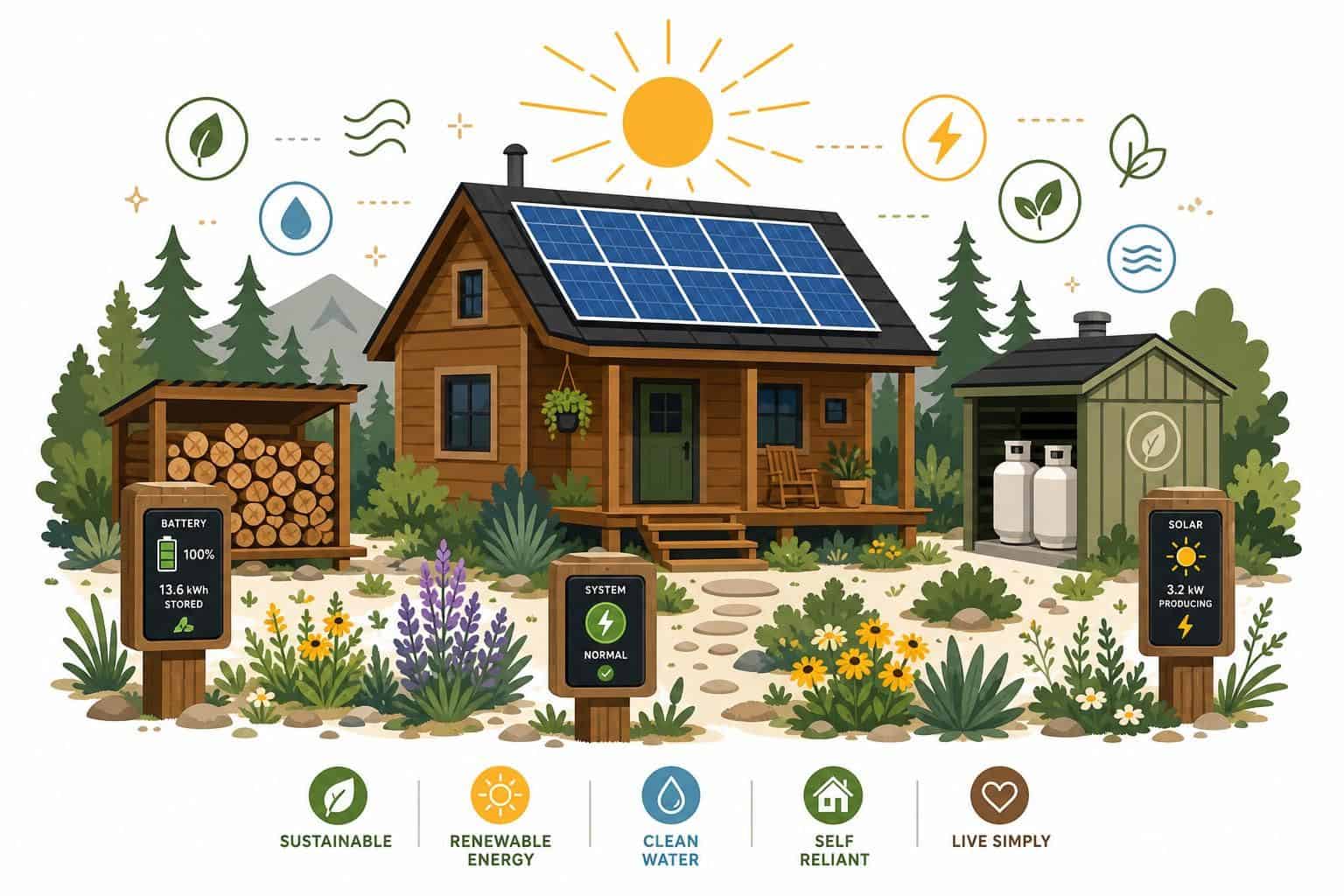 Setting up an energy-efficient system on a remote property requires careful planning and smart equipment choices. Homesteaders can reduce their carbon footprint while maintaining comfort by following these practical strategies.
- Install battery monitors and solar meters to track capacity daily, preventing low reserves that compromise appliance performance and system reliability.
- Clean solar panels regularly and inspect propane fridges for thermocouple issues; these maintenance tasks maximize energy output and appliance lifespan significantly.
- Store extra propane and firewood in dry, ventilated spaces to guarantee fuel availability during harsh seasons and unexpected weather events.
- Insulate water pipes and seal leaks before winter arrives; this protects heating and cooling systems from working overtime and wasting electricity.
- Choose heat pump water heaters and heat pump dryers over traditional models to slash electricity consumption and reduce utility bills substantially. Based on 2026 energy efficiency retail data, high-efficiency models like the GE Profile ENERGY STAR heat pump dryer cut energy use by more than half, using roughly 200 kWh annually, and eliminate the need for exterior venting, retaining conditioned air inside the home.
- Check flue and chimney systems in stoves monthly; clean filters in water pumps weekly to maintain efficient operation throughout the year.
Making Smart Replacement Decisions
- Assess whether old appliances deserve repair or replacement; modern energy-efficient models often deliver better reliability and lower energy use.
- Keep portable battery banks and manual hand pumps available as backup systems during outages or when solar production drops seasonally.
- Plan airflow and shade strategically during summer months; good ventilation prevents air conditioners from overworking and consuming excess electricity.
- Review EnergyGuide labels on new appliances to compare energy-efficient features and understand how choices affect long-term utility bills and environmental impact. According to updated 2026 solar permit and tax guidelines, the 30% federal tax credit under Section 25D for standalone battery storage purchased outright ended on January 1, 2026, meaning off-grid homeowners must now utilize third-party solar leases (PPAs) to qualify under Section 48E or seek state-specific rebates when budgeting for their setup.
System Monitoring Routine
A systematic monitoring routine keeps these strategies effective year-round. Daily tasks include checking battery state-of-charge via monitor, recording minimum and maximum SOC, and noting solar input. Weekly work involves cleaning panels when soiling exceeds 8 percent loss. Inspecting propane fridge flame and thermocouple condition prevents unexpected failures. Monthly audits compare recorded daily kWh to expected appliance EnergyGuide estimates. Adjustments to usage or panel additions become necessary if deficits exceed 12 percent. A simple daily quick-check plus a monthly load audit cuts avoidable outages and keeps system surprises to a minimum. This disciplined routine transforms guesswork into predictable performance.
Conclusion
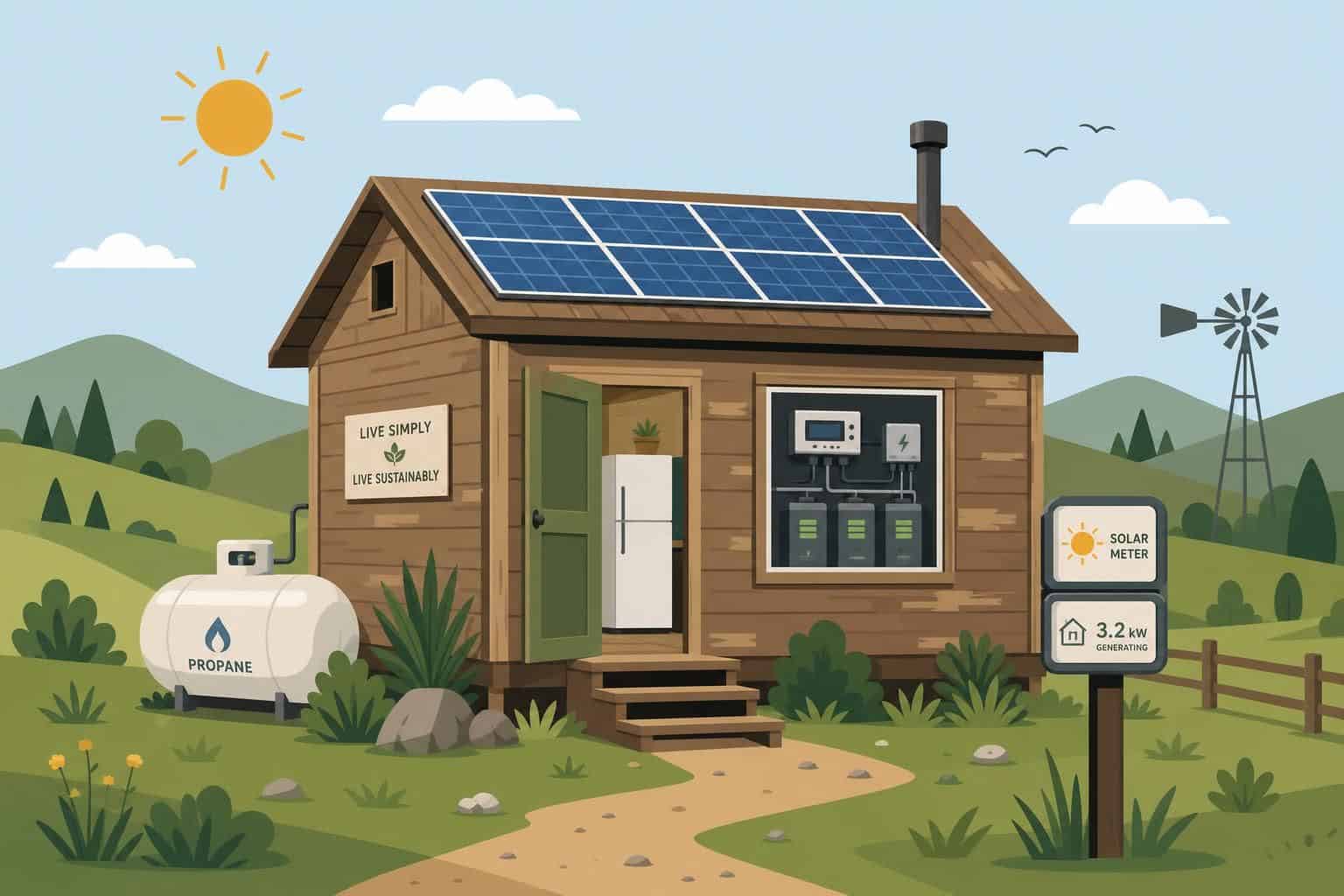 Choosing the right energy efficient appliances for a remote property comes down to matching gear with actual needs. Solar-powered refrigerators, propane stoves, and smart thermostats work together to cut energy consumption while keeping homes comfortable. Battery monitors and solar meters become the eyes of any off-grid system, tracking what gets used and what gets produced each day. Regular maintenance of clothes washers, freezers, and heating and cooling units prevents costly failures when professional help sits hours away. Those who commit to this path discover that sustainable living rewards patience with lower carbon footprints, real energy savings, and the freedom that comes from powering their own corner of the world.
FAQs
1. What makes energy efficient appliances worth the investment for remote properties?
Energy efficient appliances reduce power consumption directly, which matters most when your supply comes from a solar battery bank rather than the grid. Many models qualify for federal tax credits and state rebates, and the EPA’s Energy Star program identifies certified products that deliver measurable savings. Lower energy use also means smaller battery banks and fewer solar panels to achieve the same result.
2. Which appliances give you the biggest energy savings on a remote property?
Refrigeration and water heating typically account for the largest share of off grid energy consumption, making them the highest-priority upgrades. Heat pump water heaters use roughly half the electricity of standard electric models, and propane or DC-powered refrigerators can eliminate battery drain from the fridge circuit entirely. Clothes washers with Energy Star certification also use significantly less energy and water per load.
3. How do I know if an appliance meets energy efficient standards?
The Energy Star label from the EPA marks appliances that meet strict efficiency specifications in each category. The EnergyGuide label displays estimated annual energy use in kWh, making it straightforward to compare models side by side before purchase. For off grid buyers, checking both the running wattage and the surge wattage is equally important.
4. What are eco-friendly appliances and do they work well off grid?
Eco-friendly appliances are designed to use less energy and water than standard models, often carrying Energy Star certification or similar ratings. They work well off grid precisely because lower consumption reduces the load on solar panels, battery banks, and inverters. Propane refrigerators, DC-powered coolers, heat pump dryers, and solar thermal water heaters are all practical eco-friendly appliance choices for remote properties.
5. What role does appliance maintenance play in keeping energy costs down?
Regular maintenance can improve appliance efficiency by 5–15% according to DOE studies. Cleaning solar panels, checking propane fridge thermocouples, inspecting washer seals, and servicing heating and cooling units prevents small inefficiencies from compounding into costly failures — especially when the nearest repair shop is hours away.
6. Are there special considerations for choosing a water heater or heat pump for a remote property?
Heat pump water heaters are one of the most effective upgrades for remote properties connected to a solar system, cutting water heating energy use by more than half compared to standard electric models. In very cold climates, performance can drop, so checking the operating temperature range before purchase is important. Solar thermal water heaters with insulated storage tanks are an alternative that avoids battery draw altogether on sunny sites.
7. Can I use the Energy Star rebate finder for off grid appliance purchases?
Yes — the Energy Star Rebate Finder tool identifies local utility and state rebates that apply to certified appliances regardless of whether the property is grid-connected. Off grid buyers can use it to reduce upfront costs on heat pump water heaters, clothes washers, and refrigerators. Some state programmes also offer incentives specifically for renewable energy and battery storage systems.
References
- ^https://www.realty.com/a/Nicole-Feenstra-1772118630702/articles/renovation-and-remodeling/selecting_energy_efficient_appliances_a_comprehensive_guide-315623
- ^https://www.backcountryrecreation.com/blogs/news/essential-off-grid-appliances (2025-07-24)
- ^https://www.sciencedirect.com/science/article/pii/S2352550922000951
Off Grid Destinations note: For off-grid stays, cabins, and remote properties, the best choice is usually the one that fits the real site conditions: guest use, owner maintenance, access, weather, storage, backup systems, and long-term reliability. Bigger or more expensive is not always better. The right setup is the one that works consistently without creating unnecessary upkeep.